Letters Not Scripture: Reclaiming Yeshua from the Pauline Canon
A direct introduction to the Society’s authority gradient and why situational letters should not occupy Yeshua’s chair.
Open in Apple Podcasts ↗The spoken archive
1,184 episodes are arranged into nine study tracks—from Yahweh and Yeshua through the Christian hijacking, Matthew 27, the days of the Son of Man, the old gods, and common work. Search remains available inside every track.
Begin with the present reconstruction
The full archive remains searchable below. These episodes speak directly to the Society’s present canon, Messiah, and salvation work.
A direct introduction to the Society’s authority gradient and why situational letters should not occupy Yeshua’s chair.
Open in Apple Podcasts ↗A return to the Hebrew and Greek conceptual world behind the Gospel’s opening rather than later creedal shorthand.
Listen on Apple Podcasts ↗New birth as awakening and beginning—not a status certificate immune from endurance, obedience, and fruit.
Listen on Apple Podcasts ↗Atlas University partnership
Resurrection Society is partnering with Atlas University to make this curriculum available inside a planned 100% online bachelor’s program with free tuition. The RSR Bible is planned for release in 2027 as a companion textual project.
Visit Atlas University ↗Pairings use exact or close titles and matching episode artwork. The archive does not force uncertain matches.
The Podcast Atlas
The archive is arranged by the same conceptual path as the public theology. Choose a track, then refine it with search.
Showing 24 of 1184 episodes
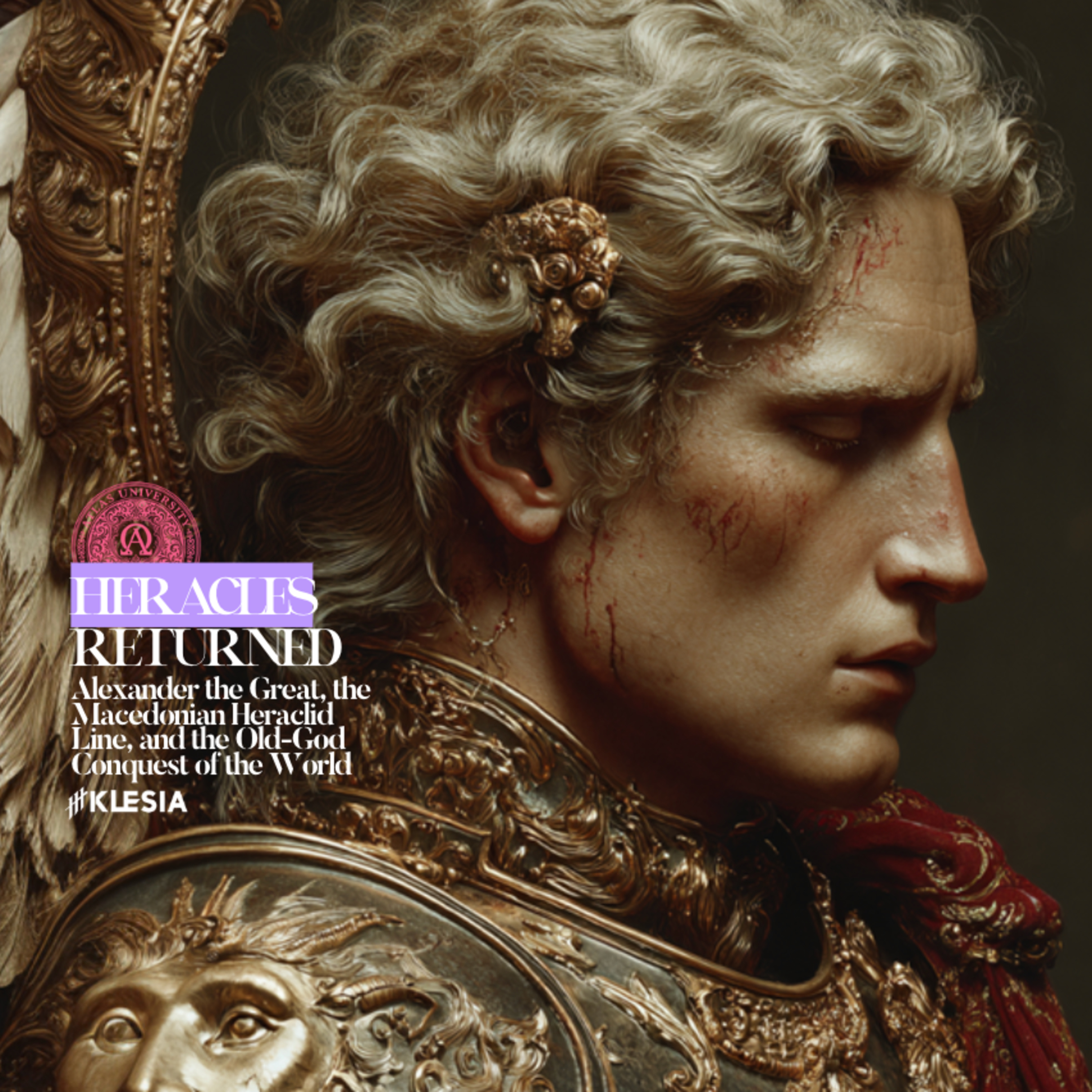 ▶
▶This book presents a maximalist historical thesis arguing that Alexander the Great was not merely a king inspired by myth, but the literal historical return of the Greek god Heracles . The author rejects modern secular reductionism, utilizing Psalm 82 and the Book of Daniel to frame Alexander’s life as a divine being subjected to Yahweh’s judgment and mortal sentence. By examining the Argead bloodline , imperial coinage, and sacred confrontations like the Siege of Tyre , the sources suggest Alexander’s conquests…
 ▶
▶This book argues that the seventh-day Sabbath remains a divinely sanctified day, established at creation and confirmed in the Ten Commandments , which was never biblically transferred to Sunday. The author contends that the shift to Sunday worship was a historical development driven by anti-Jewish sentiment , Roman imperial power , and institutional church authority rather than scriptural mandate. By rebranding Sabbath observance as "Judaizing," the early church establishment effectively replaced Yahweh’s…
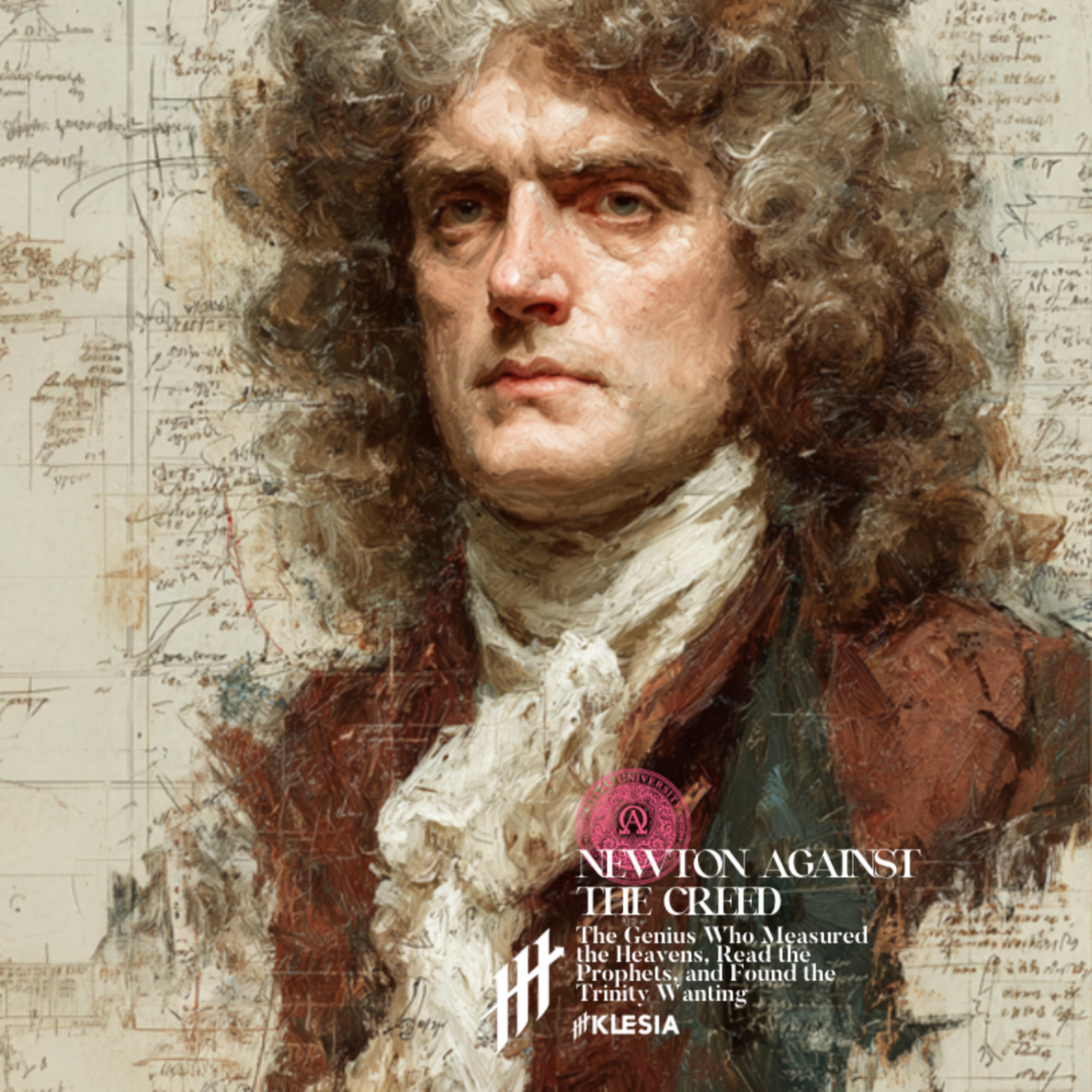 ▶
▶This book explores the hidden theological life of Isaac Newton , revealing that the man famed for scientific discovery was also a devoted biblical investigator who rejected the doctrine of the Trinity . The author argues that Newton viewed the mainstream church’s creeds not as apostolic truth, but as historical corruptions reinforced by altered scriptural texts and imperial power. Newton’s rigorous analytical mind, which identified the laws of gravity and light, was equally applied to textual criticism and the…
 ▶
▶This book argues that the cross , while globally recognized as the primary symbol of Christianity, was originally an instrument of state terror and Roman execution rather than a commanded emblem of worship. The author asserts that Yahweh provides specific covenant signs , such as the Sabbath and baptism, while the cross is a human invention that lacks biblical authorization for display or veneration. By centering devotion on the torture tree , traditional religion often emphasizes the shame of the death-scene over…
 ▶
▶The provided text argues against the traditional doctrine of Christ's pre-existence , characterizing it as a metaphysical myth that obscures the true nature of Jesus. The author contends that the Trinitarian system has "deceived" believers by replacing the biblical human Son with an eternal divine person who merely assumed flesh. By examining the birth narratives in Matthew and Luke, the sources suggest that Jesus' identity as the Son of God originated at his miraculous conception by the Holy Spirit rather than in…
 ▶
▶This text explores the premise that the faith of Yeshua was hijacked by institutional and imperial powers long before the reign of Constantine. The author argues that religious corruption did not begin with external political shifts but with internal spiritual failures and ancient patterns of seizing divine authority for human control. By analyzing the wilderness temptations , the sources illustrate how Yeshua specifically rejected the lures of material provision, religious spectacle, and political dominion . The…
 ▶
▶This text argues that institutional Christianity systematically replaced Yahweh’s biblical calendar with a rival Roman time-system to establish ecclesiastical authority and cultural dominance. The author contends that sacred time is a matter of government , asserting that the church severed the link between the life of Yeshua and the appointed times of Scripture, such as Passover and the Sabbath. By analyzing Leviticus 23 and the creation account , the sources present the original calendar as a "rival imagination"…
 ▶
▶This book explores a theological critique of Christian orthodoxy , specifically arguing that the doctrine of the Trinity represents a subtle subversion of biblical order. The author contends that ancient, rebellious powers mentioned in Psalm 82 successfully infiltrated the faith by replacing the true, obedient Yeshua with a manufactured, metaphysical image of a "coequal God the Son." This "beast-image" allegedly functions to reverse the divine death-sentence originally pronounced upon the old gods by projecting…
 ▶
▶This text explores the identity of the Beast’s number from the biblical book of Revelation , specifically investigating whether 666 refers to the Roman emperor Nero or a later sacred name . While scholars often identify Nero Caesar as the solution because his name totals 666 in Hebrew, the author suggests this theory may not fully explain the counterfeit religious system described in the vision. The source proposes an alternative Greek calculation where the phrase TRIAΣ EN —meaning "Triad: One"—also totals 666 and…
 ▶
▶This text investigates the historical and theological transformation of Mariam of Nazareth , the humble servant of Scripture, into the Catholic "Mary," a figure the author identifies as an exalted Queen of Heaven . The central thesis argues that ancient goddess functions —once belonging to deities like Diana of Ephesus and Isis —survived Christianization by migrating into the titles, rituals, and imagery surrounding the mother of Jesus. By comparing the apostolic silence regarding Marian worship with later…
 ▶
▶This text presents a maximalist biblical interpretation of Leviathan , arguing that he is neither a mere metaphor nor a common animal like a crocodile, but a literal sea-dragon of immense scale. The author contends that modern readers have "shrunk" this creature into zoology or psychology to avoid the primordial terror and theological weight it carries in Scripture. Drawing from Job 41, Psalm 104, and Psalm 74 , the sources describe a being that is beyond human mastery , armored in pride, and native to the abyssal…
 ▶
▶This book introduce a Reform Bahá’í perspective on the life and mature writings of Bahá’u’lláh , tracking his transition from a private mystic to a public prophet. The text argues that Bahá’u’lláh’s later claims of universal authority and infallibility should be scrutinized as human interpretations rather than absolute divine truths. By re-examining the Kitáb-i-Íqán , the author distinguishes between prophetic agency , where a messenger represents the divine, and metaphysical identity , which the Reform project…
 ▶
▶This text proposes a provocative thesis that Plato’s Atlantis is actually a pagan-Egyptian memory of the Cainite civilization described in Genesis. The author argues that the technical achievements of the pre-Flood world—such as metallurgy, music, and cattle-rearing —were developed by the descendants of Cain and later sponsored by rebellious "sons of God," like the sea-god Poseidon . Central to this theory is Tubal-cain , the biblical forge-master who provided the material splendor associated with Atlantis, and…
 ▶
▶This book introduce a theological and linguistic reevaluation of Bahá’u’lláh, the founder of the Bahá’í Faith, by exploring his writings outside of traditional institutional frameworks . The author argues that standard English translations often obscure the original meaning by employing archaic biblical language and doctrinal capitalization that suggest a metaphysical infallibility not necessarily present in the source texts. By recovering the original Arabic and Persian meanings , particularly the concept of the…
 ▶
▶This book presents a theological critique of Roman Catholicism , arguing that the institution is a reconstituted pagan image-system hidden behind biblical terminology. The author asserts that the church did not truly abandon ancient deities but instead rebranded them, transforming Yeshua of Nazareth into the imperial, solar figure of Apollo-Constantine and expanding the biblical Miriam into the goddess-office of Diana-Mary . This systemic substitution is maintained through sensory rituals —such as the Mass,…
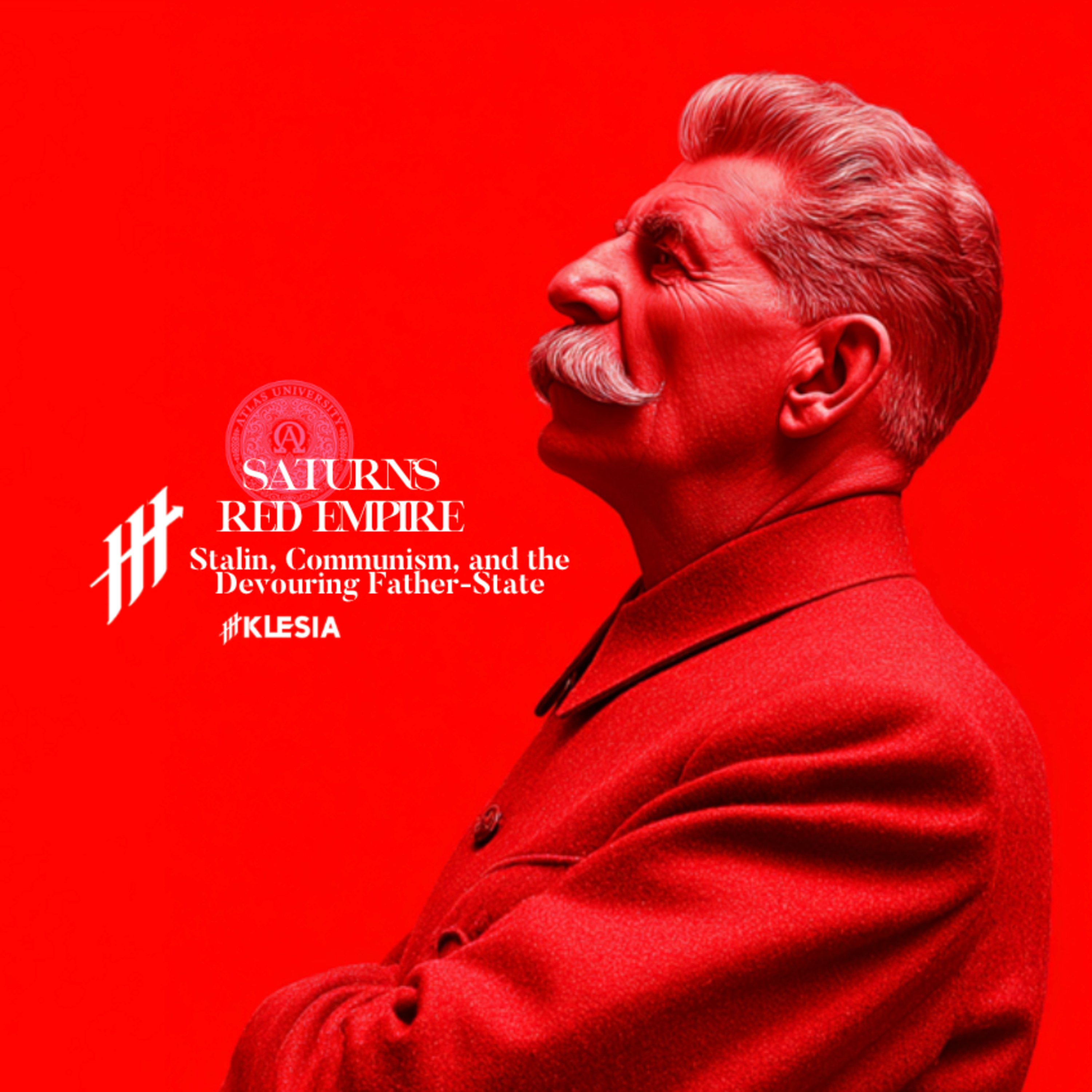 ▶
▶This book presents a theological critique of Communism , arguing that rather than abolishing religion, it functioned as a counterfeit faith that replaced biblical categories with state-managed imitations. The author uses Psalm 82 as a framework to interpret revolutionary figures through the lens of pagan mythology , casting Marx as the forge-master, Lenin as the gatekeeper, and Stalin as the devouring father. The source asserts that the Communist state claimed divine sovereignty over truth, memory, and the human…
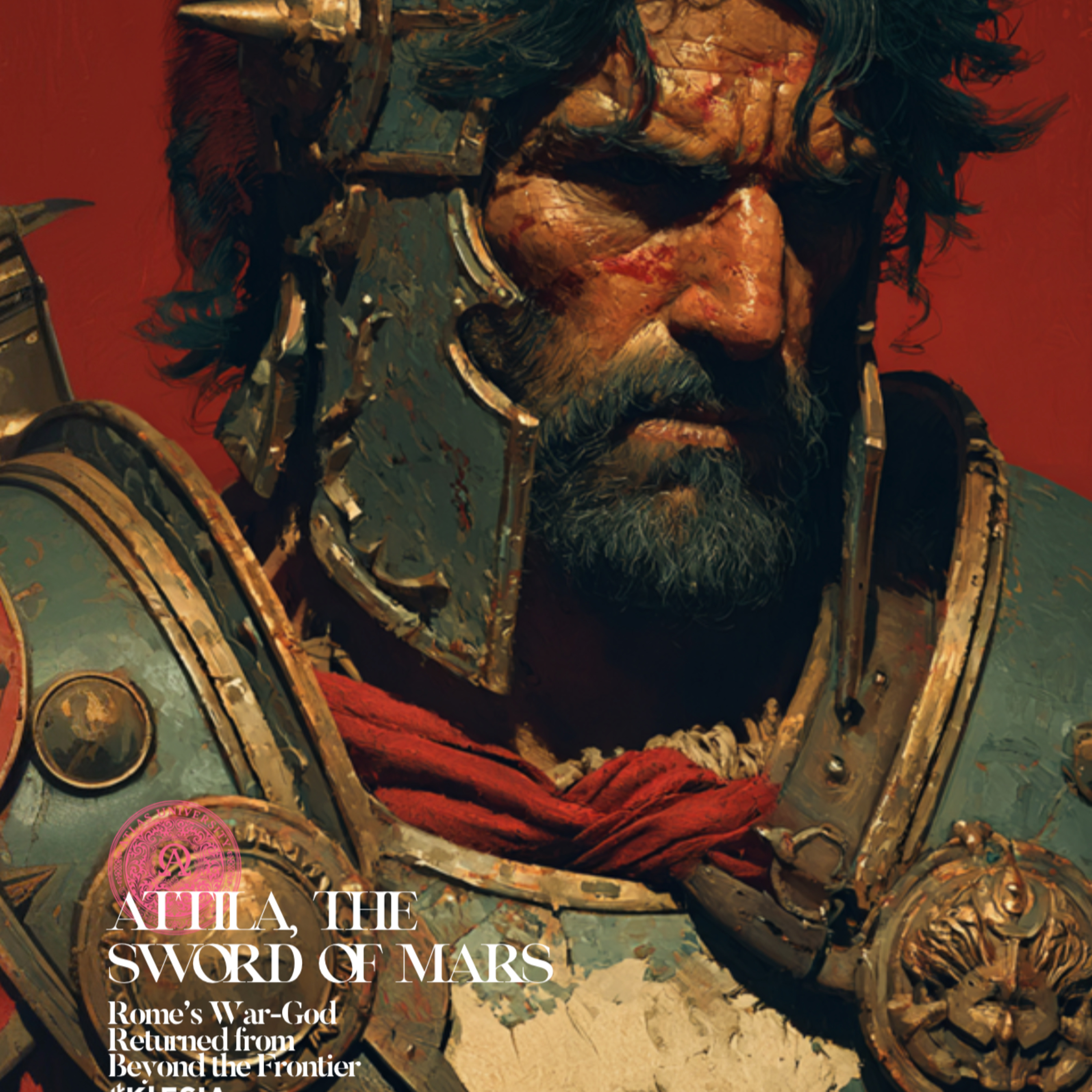 ▶
▶This book presents a theological and historical analysis of Attila the Hun, framing him not merely as a barbarian king but as a mortal manifestation of the war-god Mars . The author argues that while Rome attempted to domesticate and moralize violence through civic religion and legal frameworks, Attila’s emergence from the frontier exposed these as illusions. By reportedly wielding the literal Sword of Mars , Attila reclaimed the raw essence of war—characterized by terror, tribute, and sovereign command —and…
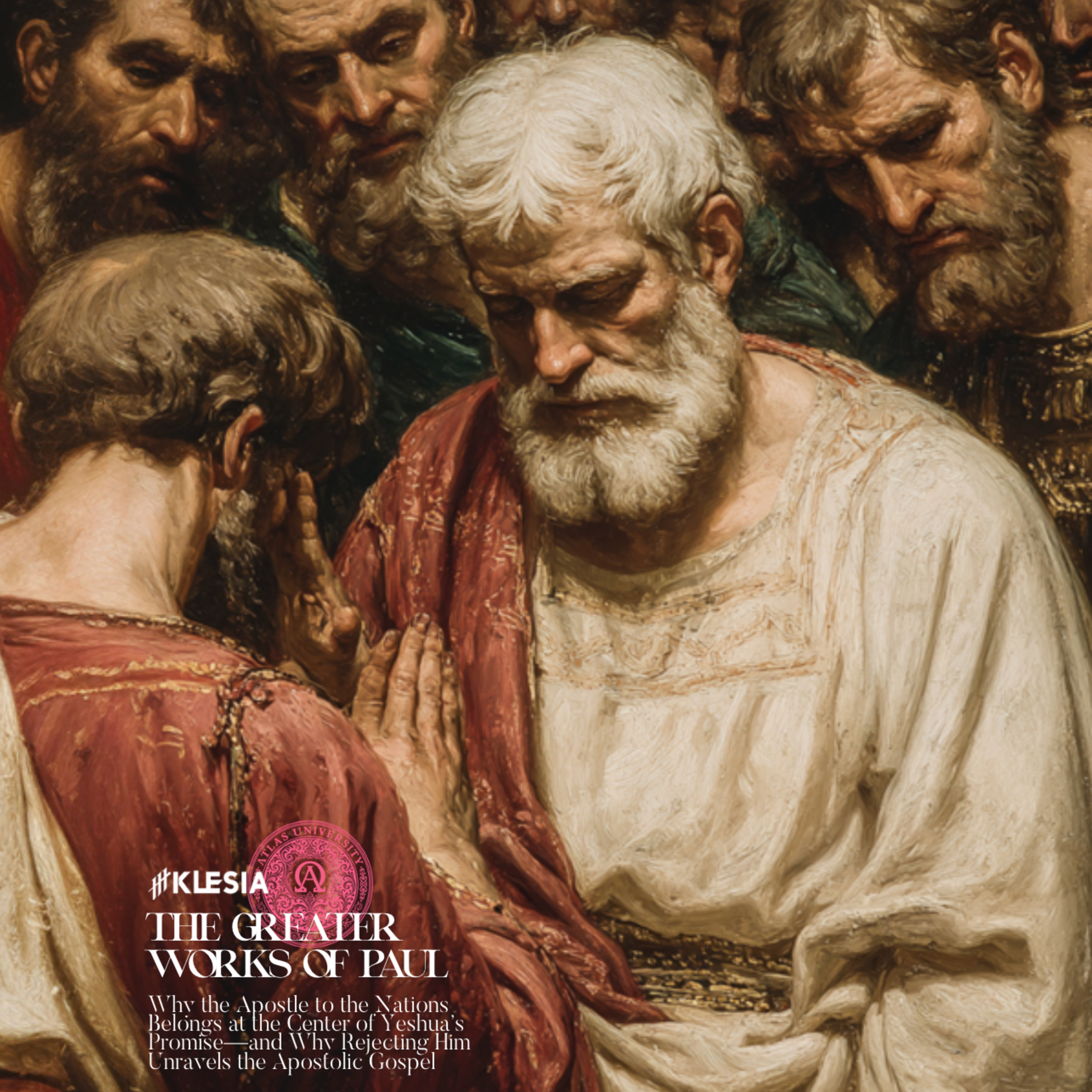 ▶
▶This text explores the theological and historical necessity of the Apostle Paul as a central figure in the expansion of Yeshua’s mission. The author argues that rejecting Paul’s letters or authority inevitably unravels the apostolic gospel , as his work represents the primary fulfillment of the promise that disciples would perform "greater works" than the Messiah himself. These works are not defined by personal superiority, but by the global distribution of the gospel and the formation of durable, multinational…
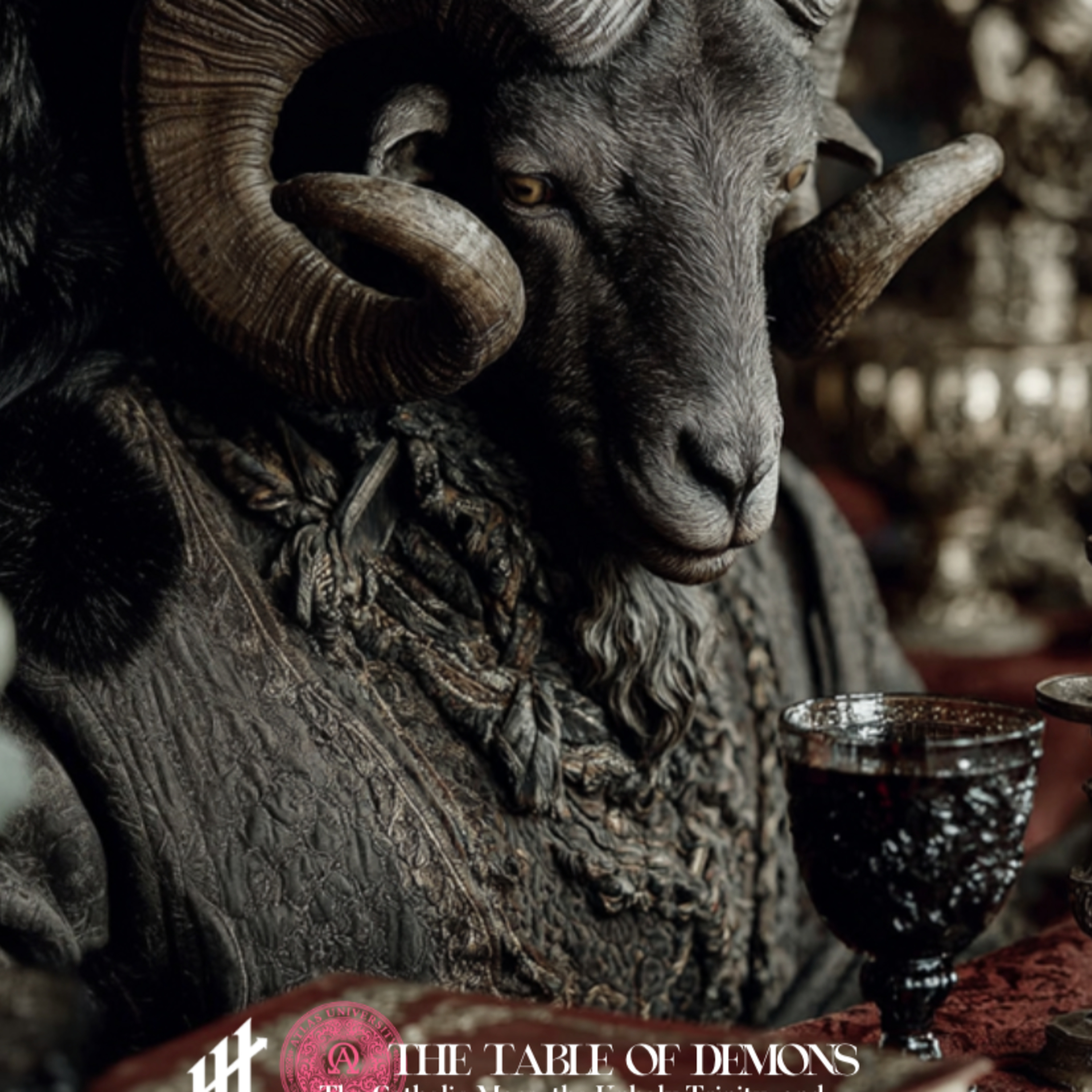 ▶
▶This book explores a controversial theological critique of the Catholic Mass , arguing that it functions as a ritual of inversion that masks ancient pagan deities under biblical names. The author posits that the institution of the Church has replaced the biblical Messiah, Yeshua , with a post-Constantinian figure named Jesus , who embodies the traits of the solar god Apollo . This thesis suggests that the Eucharistic host acts as a vessel for the Dionysian concept of an edible god , while the veneration of Mary…
 ▶
▶This book explores a theological-historical thesis regarding the identity and spiritual nature of Genghis Khan . Drawing upon the biblical framework of Psalm 82 , the author argues that the Mongol conqueror was not merely a brilliant human strategist but an ancient power that entered mortality under a divine sentence of judgment. The narrative tracks a three-tiered architecture of names: Börte Chino as the hidden ancestral wolf-identity, Temüjin as the mortal flesh-name, and Genghis Khan as the world-name revealed…
 ▶
▶This analysis argues that the Book of Daniel is an unveiling of empire under divine judgment rather than a mere chronological chart of future events. The text posits that earthly kingdoms are the visible bodies of invisible rebellion , serving as vehicles for fallen heavenly powers that have been sentenced to die as mortals. Through the lens of Psalm 82 , the author explores how Yahweh's sovereignty confronts the old-god dynasty of Babylon , a legacy of defiance rooted in the ancient land of Shinar . By…
 ▶
▶This second edition book explores a maximalist reading of Psalm 82 , proposing that Siddhartha Gautama was actually Śvetaketu , an ancient heavenly power sentenced to mortality under Yahweh’s judgment . Unlike other fallen deities who sought survival through earthly empires or religious worship, this "old god" recognized that divine status itself was a form of bondage defined by craving and impermanence. The author reframes the Four Sights and the Buddha’s renunciation not as mere human insights, but as the moment…
 ▶
▶This book examines a spiritual war between the ancient gods sentenced to mortality and the resurrection victory of Yeshua. The author argues that global religious symbols are not mere decorations but active fragments of an old language used by fallen powers to preserve their influence. By analyzing Psalm 82 and Matthew 27 , the sources contrast the "death management" of pagan systems with the public, bodily witness of the raised saints. Egyptian mummies , occult architecture, and imperial emblems are identified as…
 ▶
▶This analysis interprets the history of the Reformation through a chronological and symbolic framework derived from the Book of Numbers . It argues that while Reformers like Luther and Calvin successfully recovered Scripture and challenged the Roman religious monopoly , they failed to abandon the coercive "religious empire" model, often replacing papal authority with state-enforced orthodoxy . By anchoring the historical timeline in 1492 —the year of the Jewish expulsion from Spain —the text presents the…